
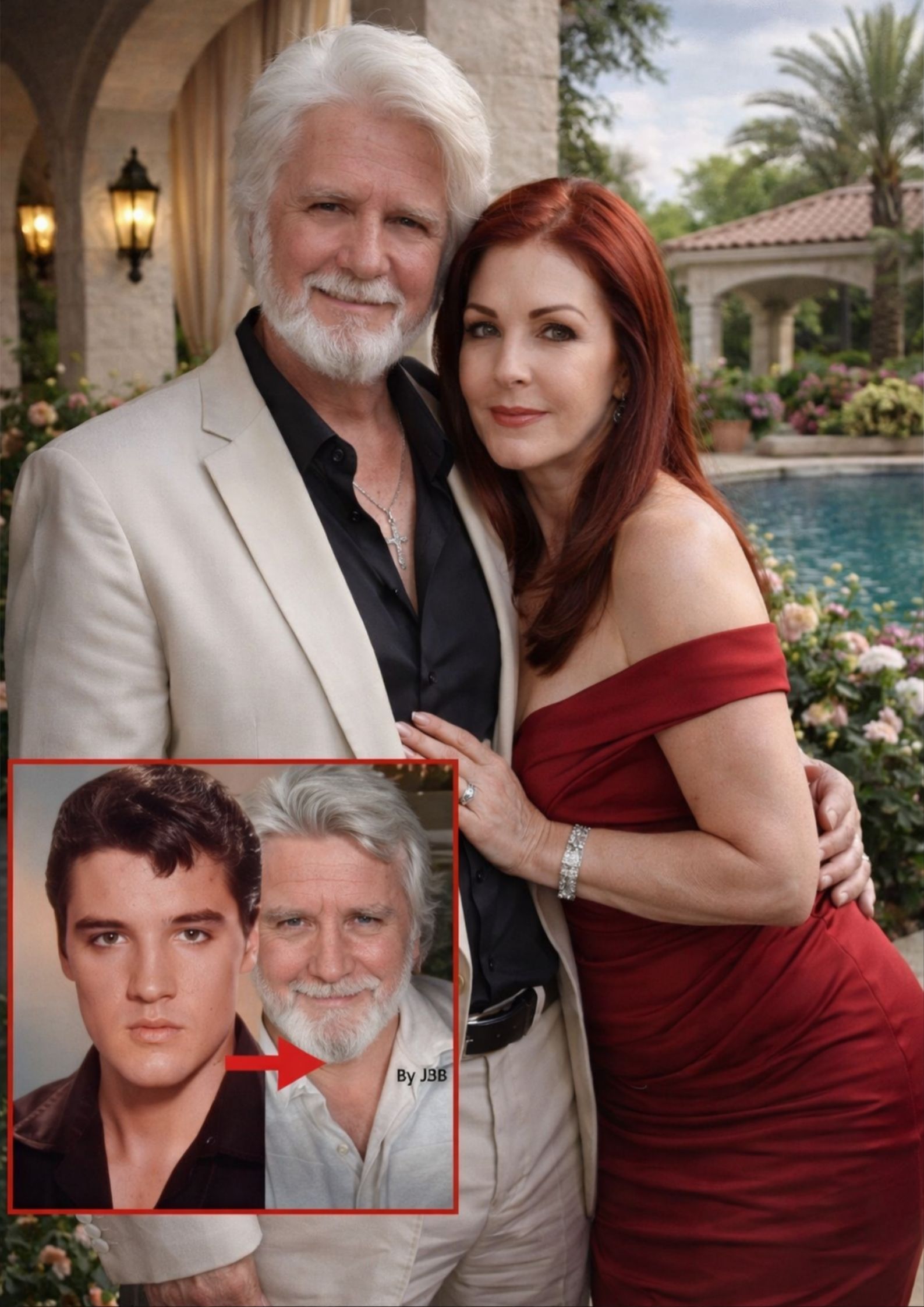
Introduction
A Forbidden Confession… or Another Elvis Myth? Why the Internet Can't Stop Talking About a "Shocking" Priscilla Presley Claim
Every generation of Elvis Presley fans has lived through rumors that promise to rewrite history. Some fade quietly. Others explode across the internet like a thunderclap, pulling longtime listeners back into a story they thought had finally settled. The latest headline — suggesting that Priscilla Presley made a dramatic confession linking Elvis to a man named Bob Joyce — has stirred powerful reactions, especially among older American readers who remember the real Elvis not as a mystery, but as a voice that shaped an era.
But before diving into the emotional pull of this narrative, it is important to say something clearly: there is no verified public evidence that Priscilla Presley has made such a statement. The story circulating online appears to be fictional or speculative in nature, built more on imagination than documented fact. And yet, the reason it resonates so deeply reveals something profound about Elvis's legacy — and about the hearts of those who still listen.
The imagined confession paints a dramatic picture: a woman burdened by decades of silence, suggesting that Elvis never truly disappeared but lived under another identity. In this version of events, Priscilla is not portrayed as a celebrity seeking attention, but as someone trapped inside a larger machine — a world where fame, contracts, and unseen pressures demanded secrecy at any cost. It is a narrative that feels cinematic, almost poetic, and for many fans, it taps into a quiet longing that Elvis somehow escaped the struggles that shadowed his final years.
For older readers who watched Elvis's rise from humble beginnings to global icon, stories like this strike an emotional chord. They remind us of how deeply Elvis belonged to the American imagination. He wasn't just a singer; he was a symbol of possibility, rebellion, and tenderness all at once. The idea that he might have slipped away from the spotlight to reclaim a private life speaks to a universal desire — the hope that even legends deserve peace beyond the stage lights.

Yet historians and longtime observers caution against confusing myth with memory. Elvis Presley's life and passing were documented extensively, and the Presley family has consistently maintained the historical record. Over the decades, countless theories have emerged claiming to reveal "hidden truths," often fueled by nostalgia and the natural human resistance to letting go of a beloved figure. The Bob Joyce theory, like many before it, reflects less about verified reality and more about the enduring power of Elvis's story to inspire imagination.
Still, the emotional energy behind these rumors cannot be dismissed. They reveal how deeply Elvis continues to live within cultural memory. Fans who grew up listening to his records don't merely remember the music — they remember where they were when they first heard his voice, the dances, the heartbreaks, the changing decades. For them, Elvis is not a closed chapter but a living presence carried through songs, photographs, and shared stories.
What makes this particular rumor feel especially powerful is its tone of sacrifice and secrecy. It suggests that love sometimes requires silence, that history might hide more than it reveals. Even if fictional, the narrative reflects a broader truth about celebrity: the line between the public legend and the private human being is often blurred. Elvis, more than almost any artist, existed at that intersection — adored by millions yet often isolated by the weight of expectation.
In the end, the fascination surrounding this "forbidden confession" may say less about hidden conspiracies and more about the way Elvis's legacy refuses to fade. Decades after his passing, fans still search for new stories, new angles, new reasons to keep him close. The internet amplifies those hopes, turning whispers into viral moments that feel larger than life.
Perhaps the real lesson here is not about whether Elvis lived under another name, but about why people want to believe he might have. Because legends like Elvis Presley do not simply belong to history books — they belong to the emotional landscape of a generation. And sometimes, even a rumor can remind us how deeply a single voice can echo across time, long after the final song has ended.